
Top 10 Winter Fruits
Explore 10 delicious winter fruits, from juicy oranges and sweet pears to kiwi and pomegranates. Learn about their nutritional benefits, seasonal availability, and simple ways to enjoy fresh fruit throughout winter.Simply pause over the image to explore, download, and share stunning wallpapers from Strawberry Wallpaper with your loved ones for free




































Top 10 Winter Fruits to Brighten Your Days
Cold weather brings a wonderful variety of fruits with vibrant colors, refreshing flavors, and natural goodness. From juicy oranges to sweet pears and ruby-red pomegranates, winter is a great time to explore different fruits and add more variety to your meals.
Some fruits are harvested during the colder months, while others remain available because they store well or are grown in warmer regions. Here are 10 delicious fruits to enjoy throughout the season, along with what makes each one special.
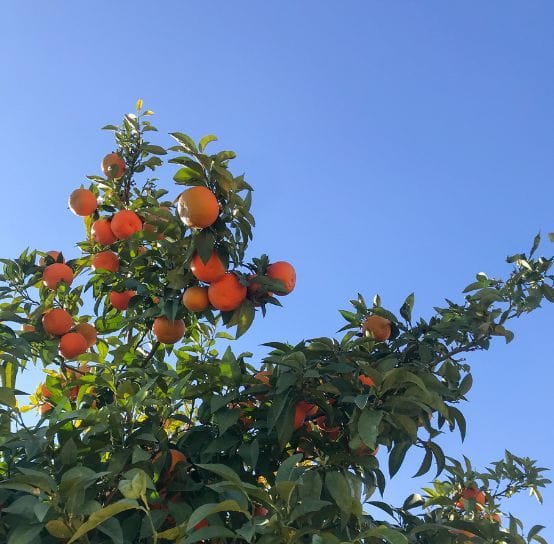
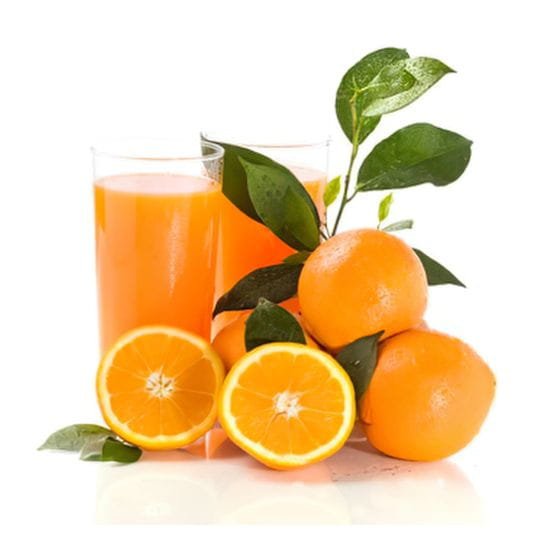
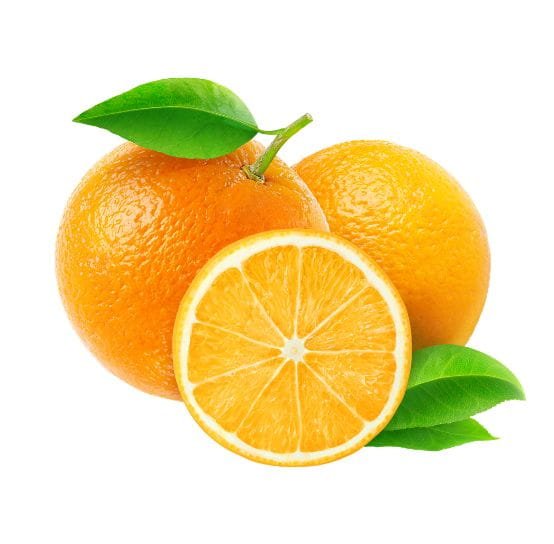
1. Oranges
Few things are as refreshing as peeling a ripe orange and enjoying its juicy, sweet-tart segments. Oranges are easy to carry, simple to serve, and delicious on their own or in a fresh fruit salad.
Why you’ll love them: Oranges provide vitamin C, which supports normal immune function. Eating the whole fruit also gives you dietary fiber and water.
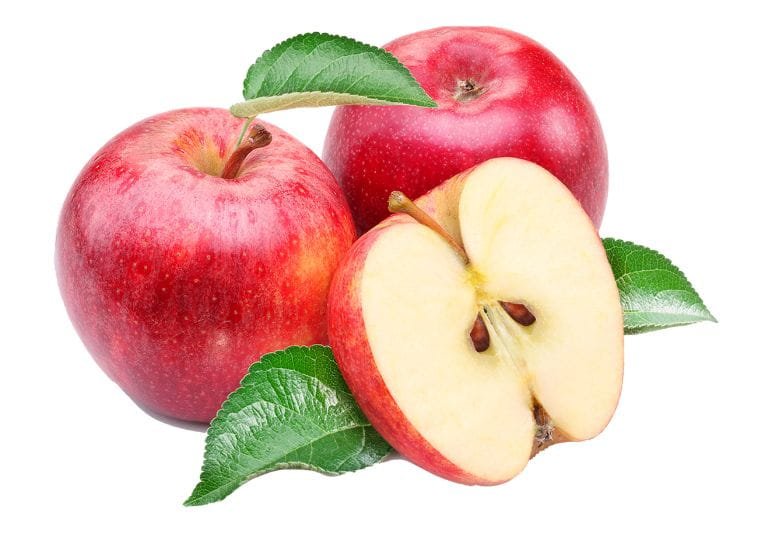
2. Apples
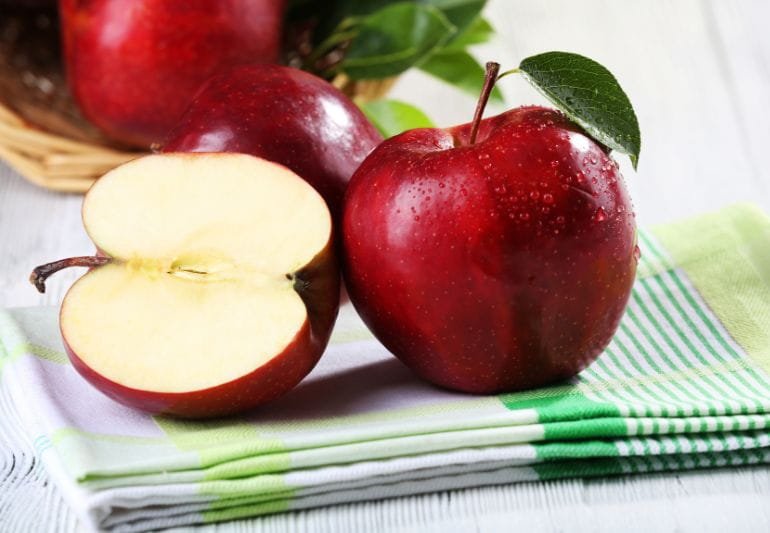
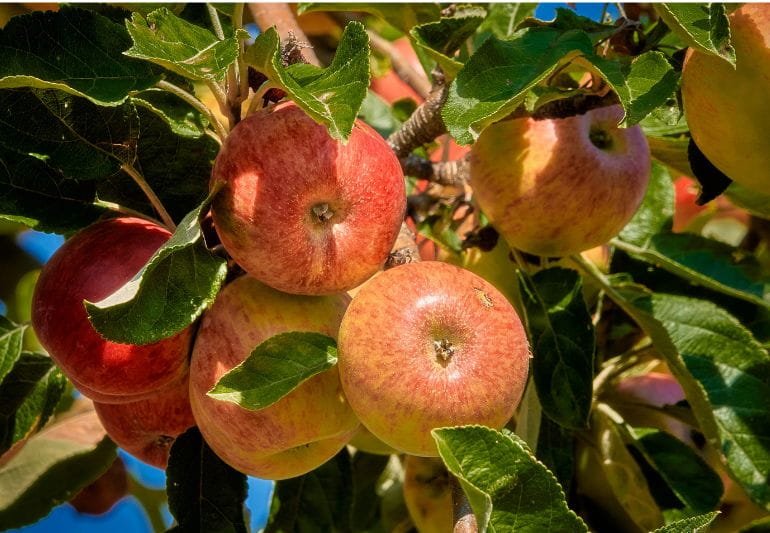
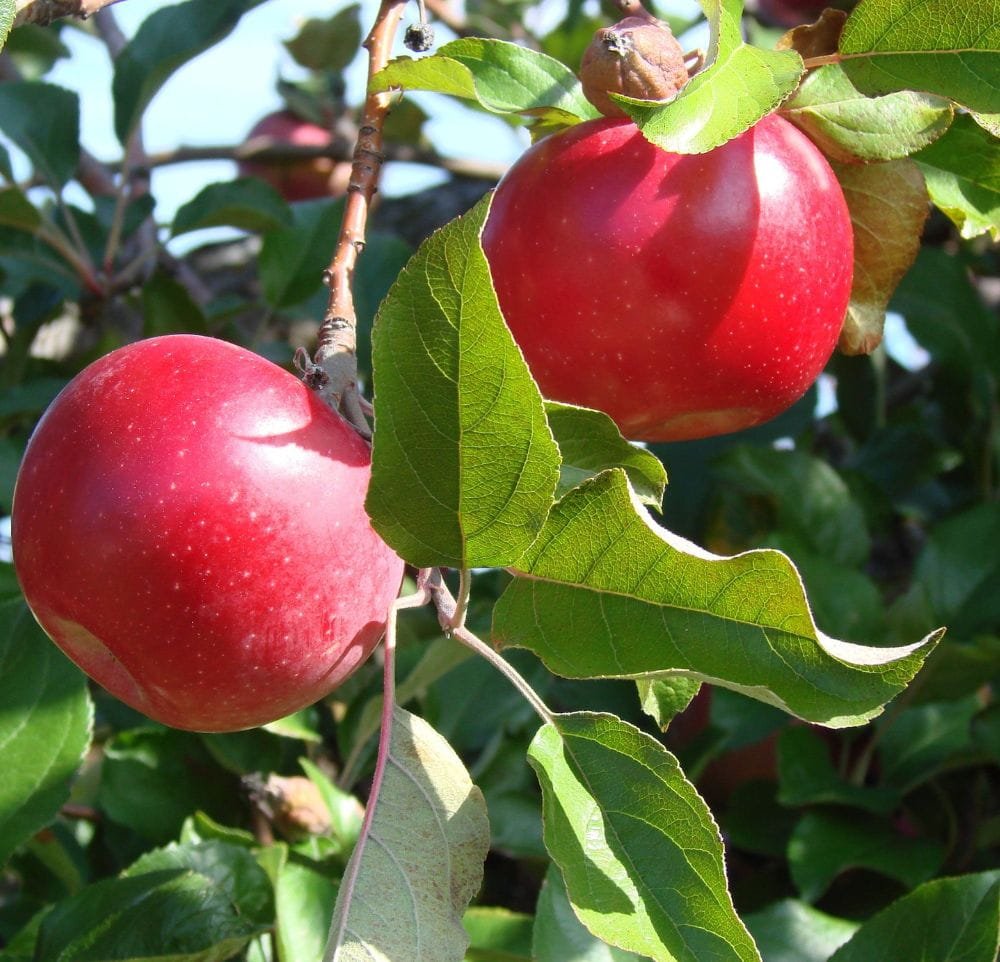
Crisp, sweet, or slightly tart, apples are a versatile favorite that can be enjoyed in countless ways. Honeycrisp, Fuji, Gala, and Granny Smith offer different flavors, so there is a variety for almost every preference.
Why you’ll love them: Apples provide dietary fiber, including pectin, which contributes to digestive health. Enjoy them sliced with breakfast, packed as a snack, or baked with cinnamon.
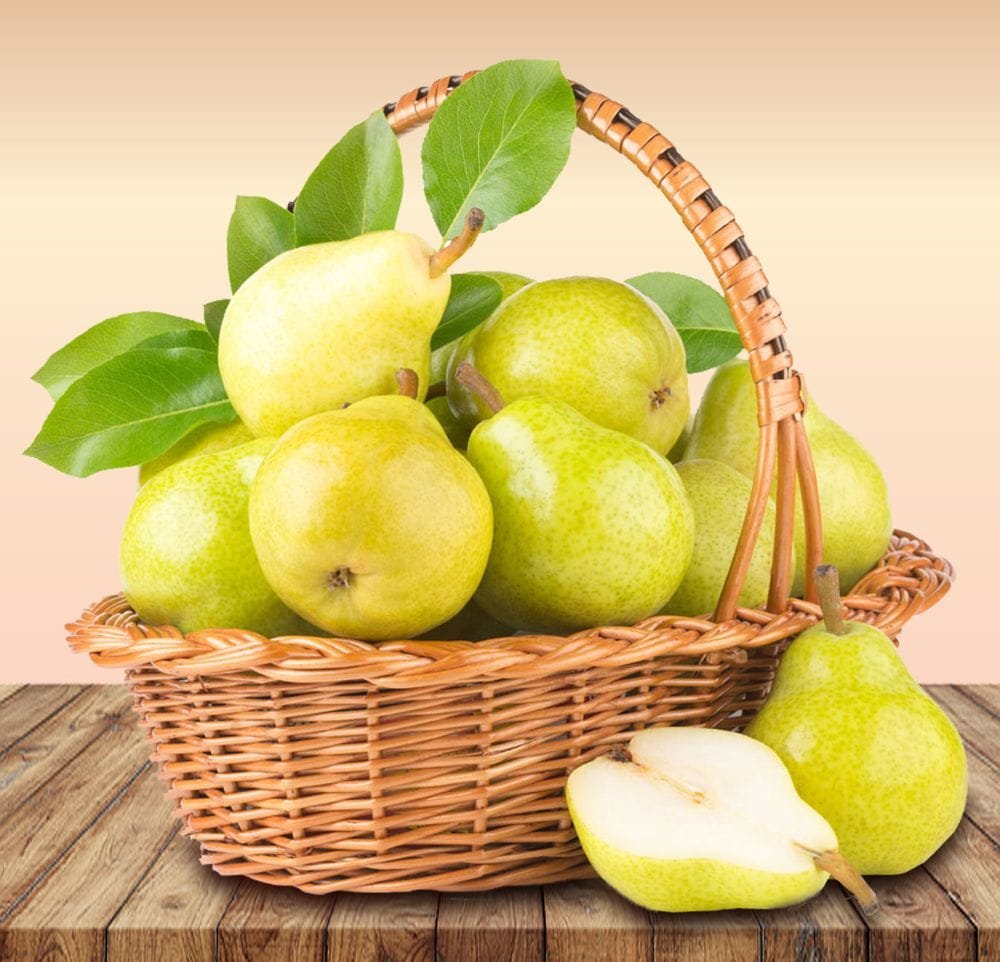
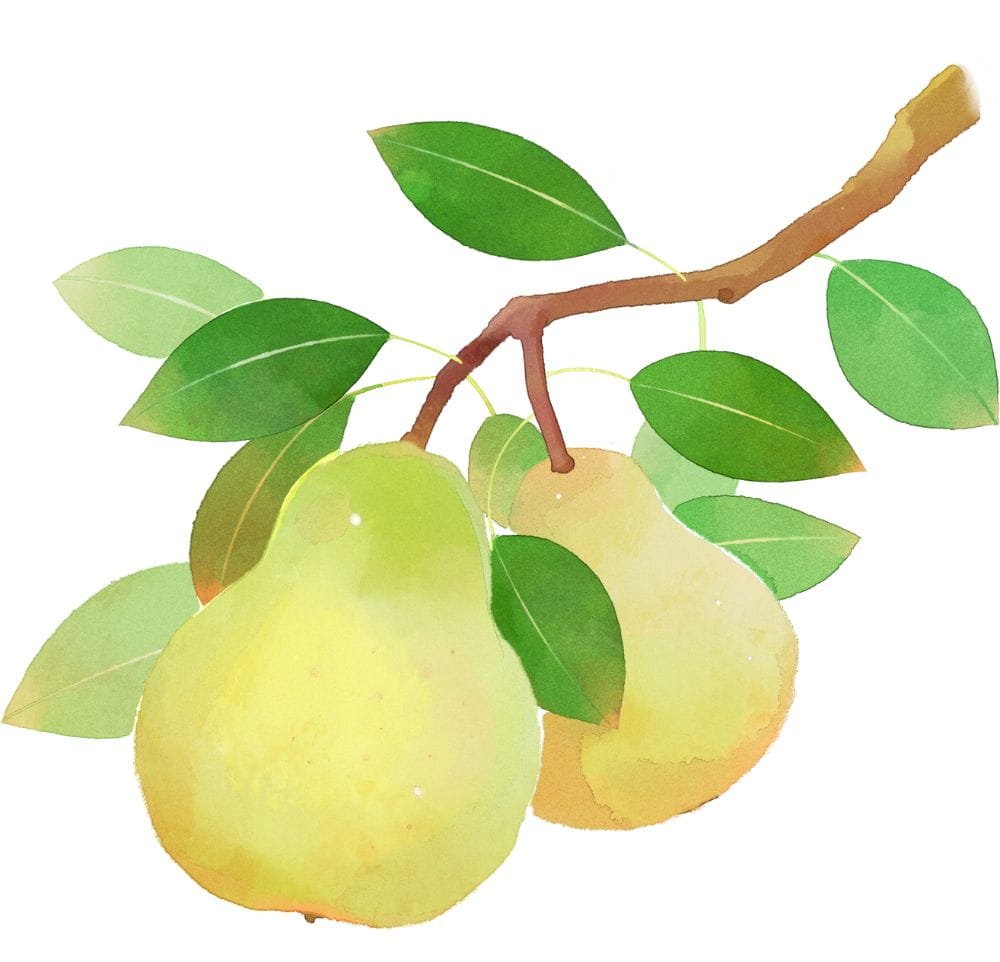
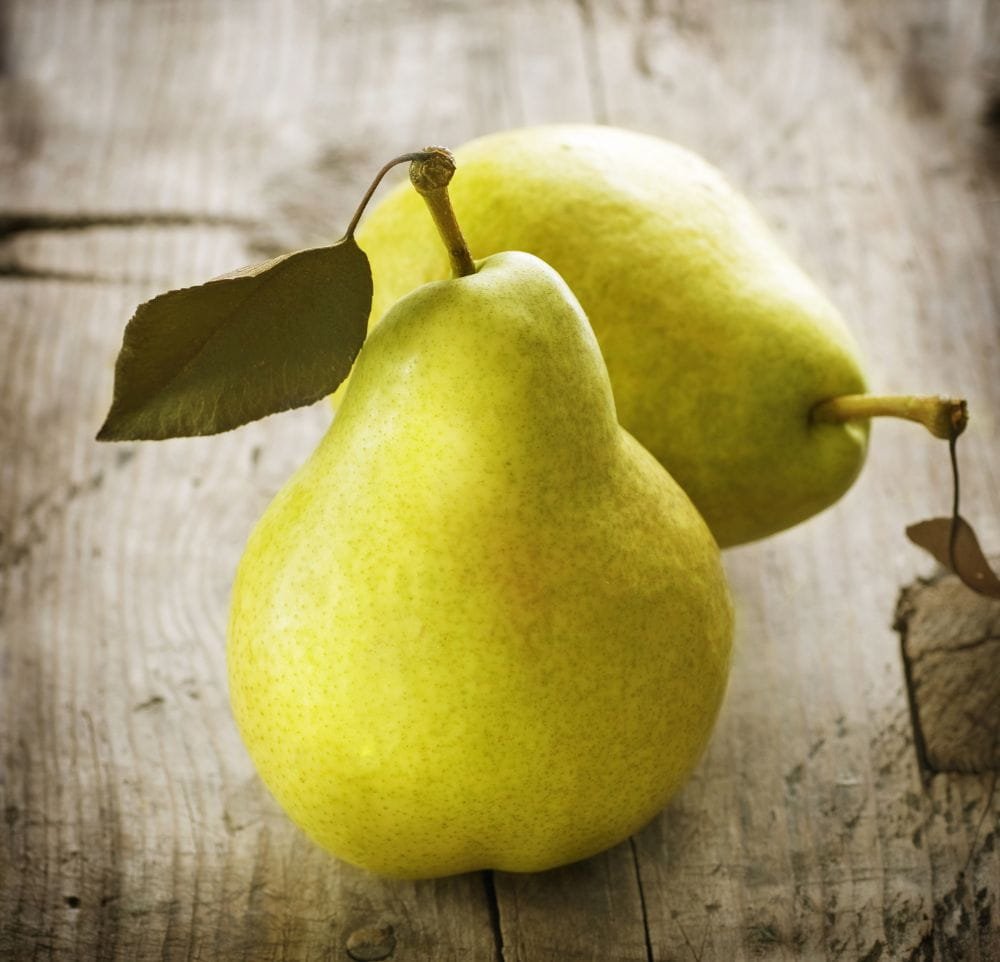
3. Pears
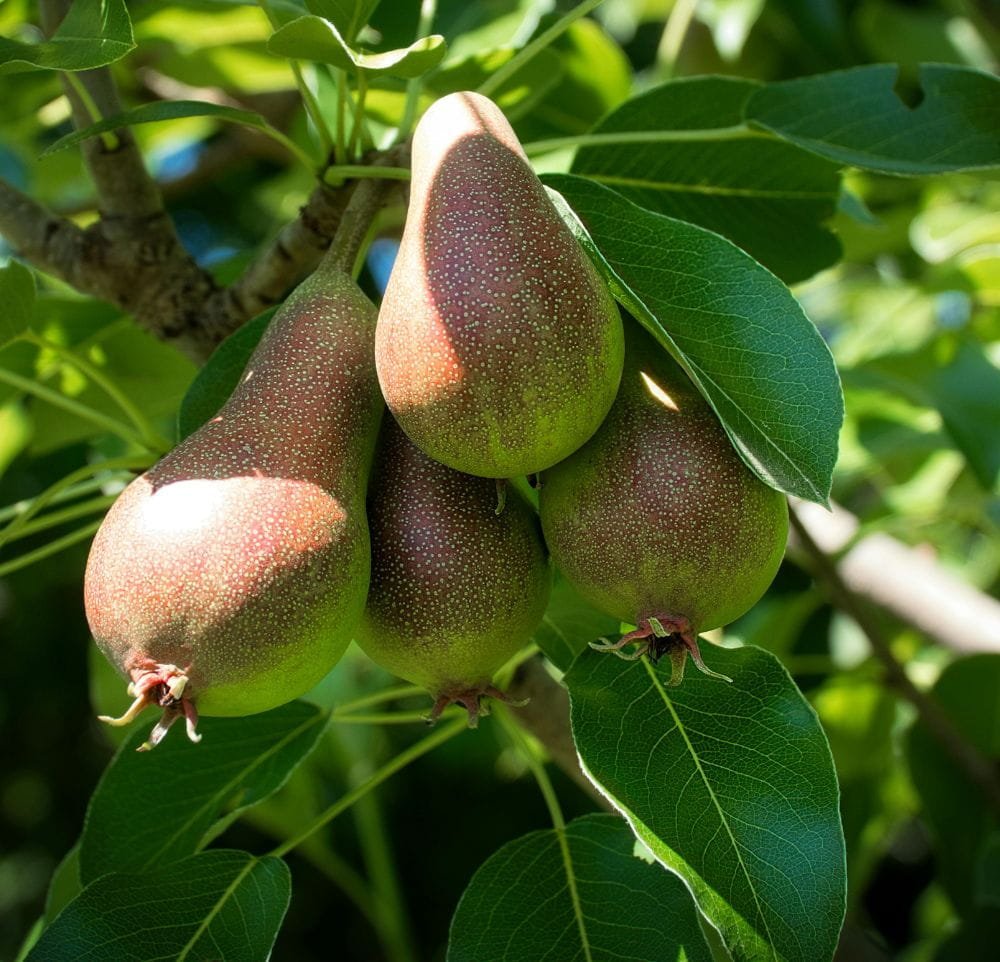
Soft, juicy, and naturally sweet when ripe, pears are a lovely addition to cold-weather meals. Their delicate flavor pairs well with oatmeal, yogurt, cheese, and leafy salads.
Why you’ll love them: Pears contain fiber and water, making them a satisfying choice for a snack. Let firm pears ripen at room temperature until they reach your preferred texture.
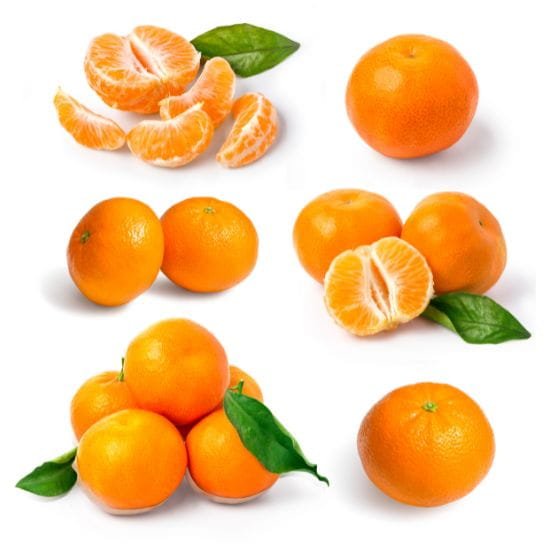
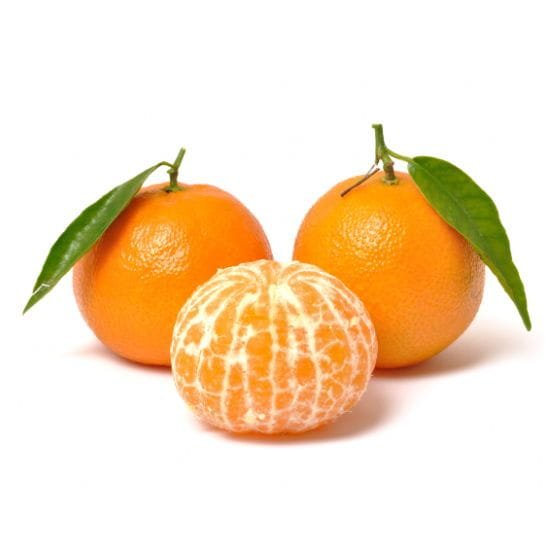
4. Mandarins and Clementines
Small, colorful, and easy to peel, mandarins and clementines make snacking simple. Their naturally sweet flavor is especially enjoyable when you want something refreshing without much preparation.
Why you’ll love them: These citrus fruits provide vitamin C and beneficial plant compounds. Keep a few on hand for lunchboxes, quick snacks, or an easy addition to a fruit bowl.
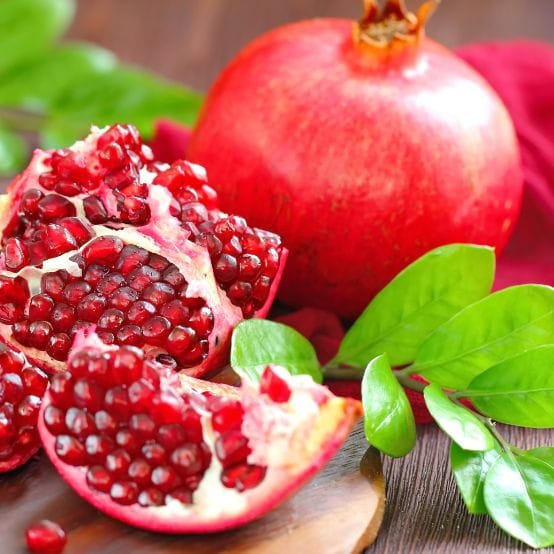
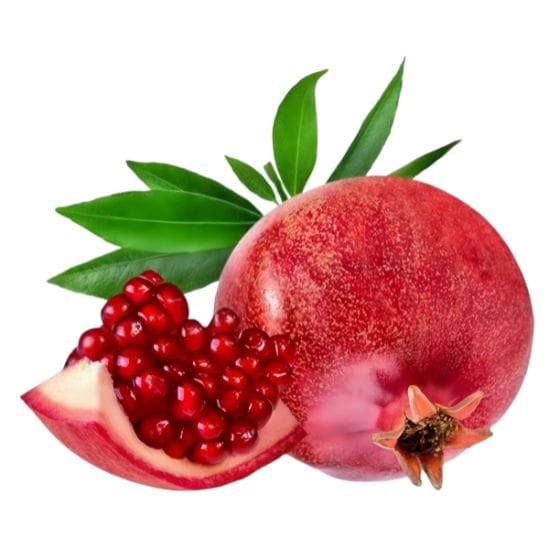
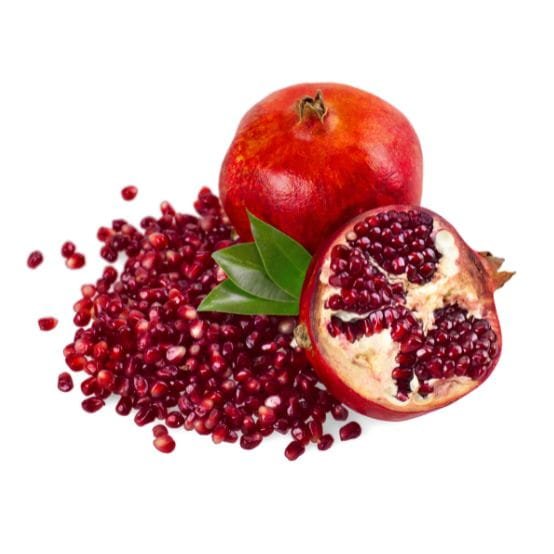
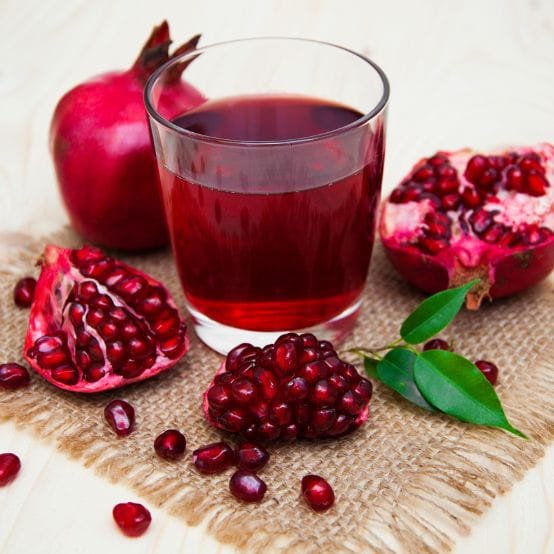
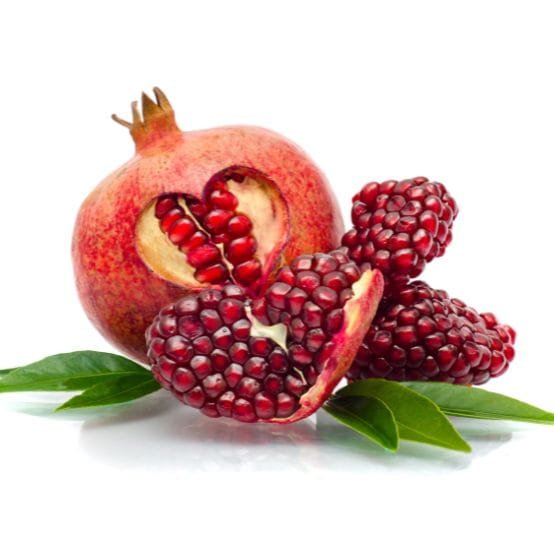
5. Pomegranates
With their jewel-like red seeds and sweet-tart juice, pomegranates bring color and texture to winter dishes. The edible seeds, called arils, can transform a simple bowl of yogurt or salad into something special.
Why you’ll love them: Pomegranate arils provide fiber, vitamin C, and polyphenols—naturally occurring plant compounds. Their main harvest season is generally in autumn, although availability often extends into early winter.
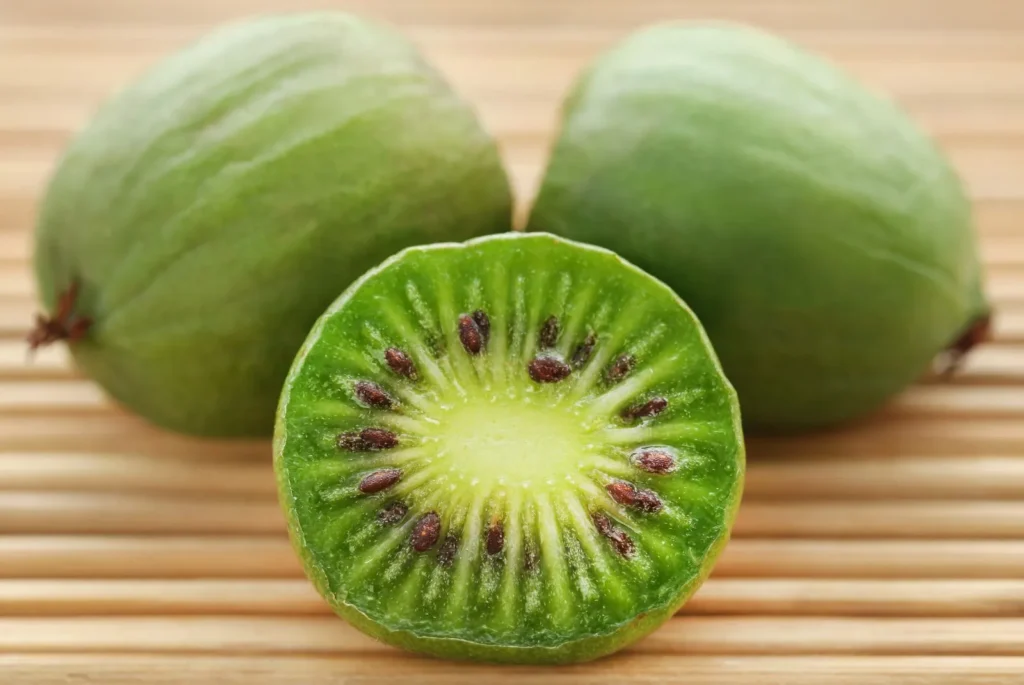
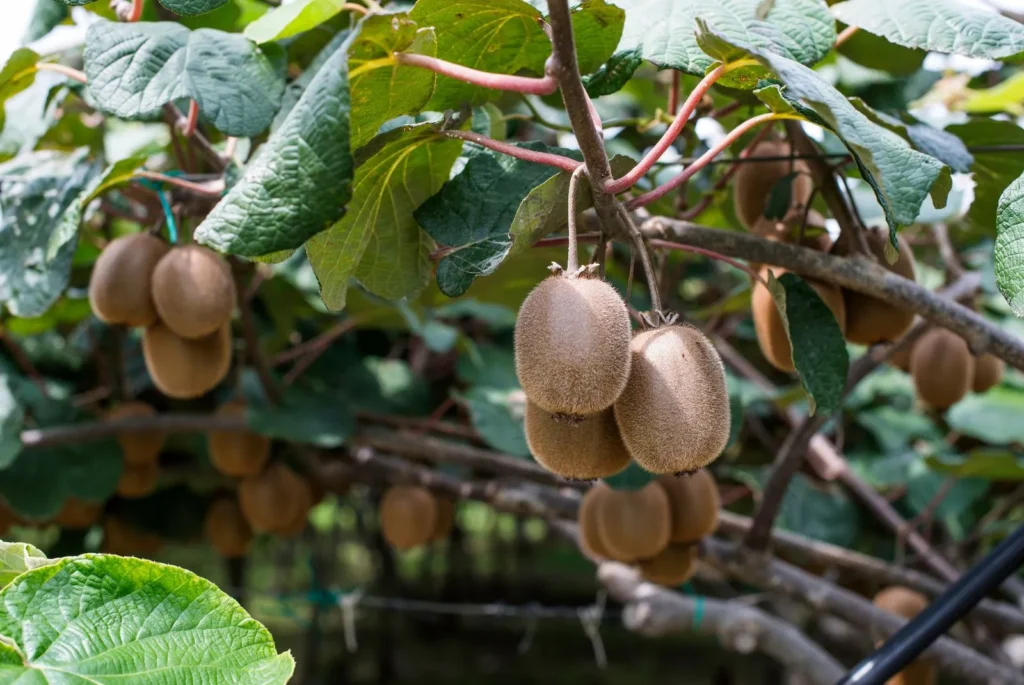
6. Kiwi
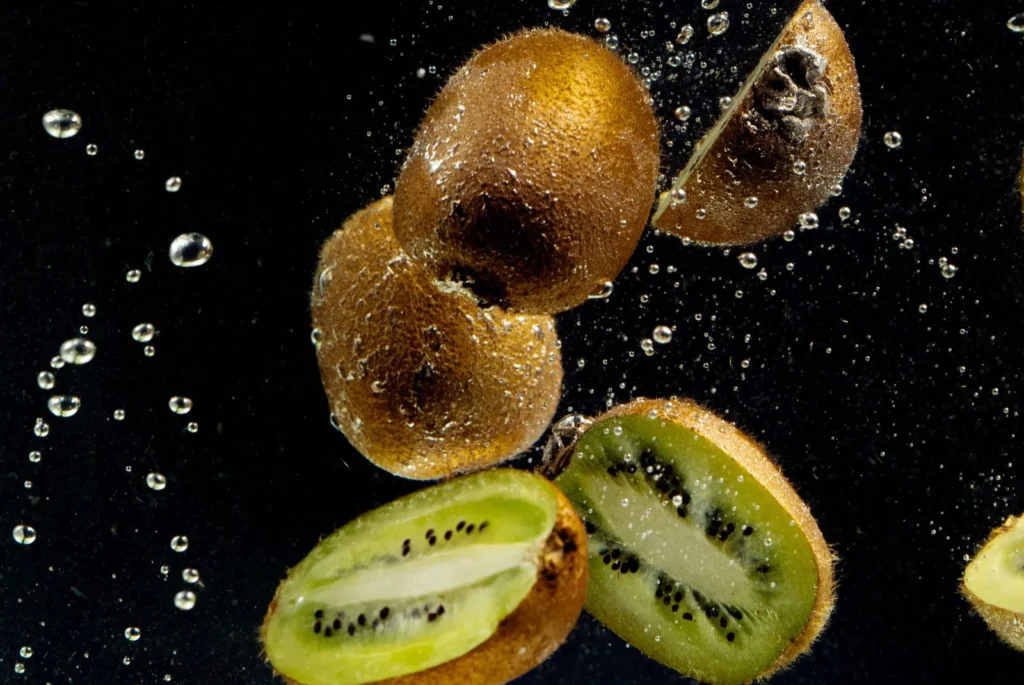
Cut open a kiwi, and you’ll find bright green or golden flesh dotted with tiny edible seeds. Its refreshing tang makes it a wonderful contrast to sweeter fruits.
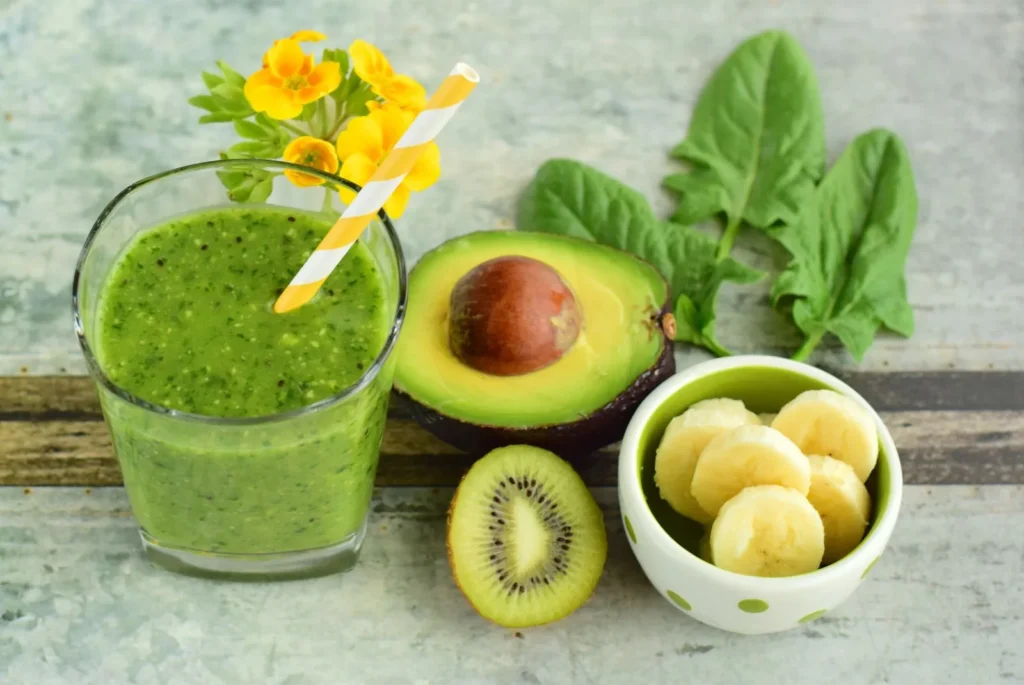
Why you’ll love it: Kiwi is a good source of vitamin C and provides dietary fiber. Add it to a smoothie, combine it with oranges, or enjoy it with a spoon straight from the skin.
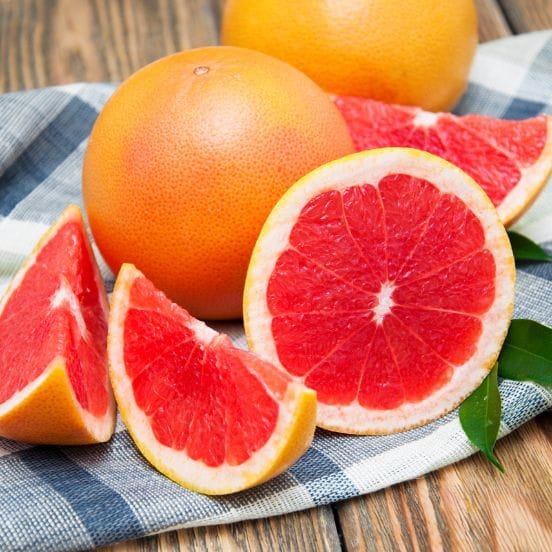
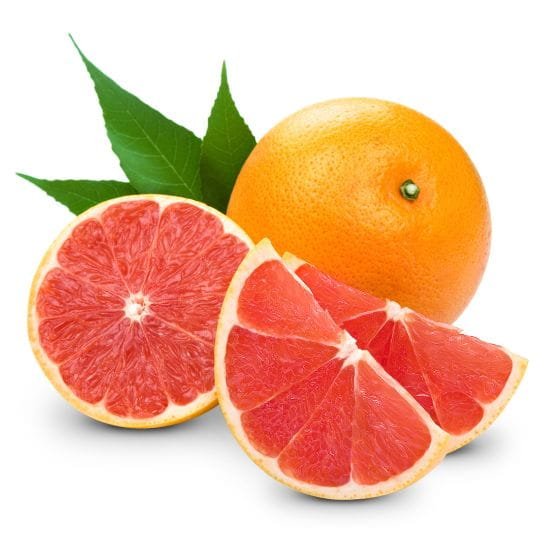
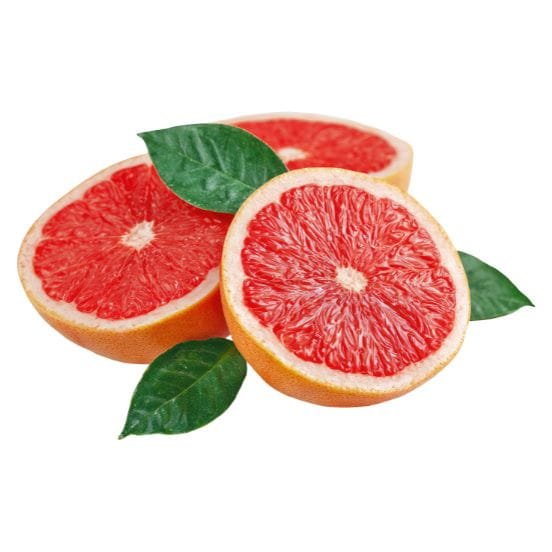
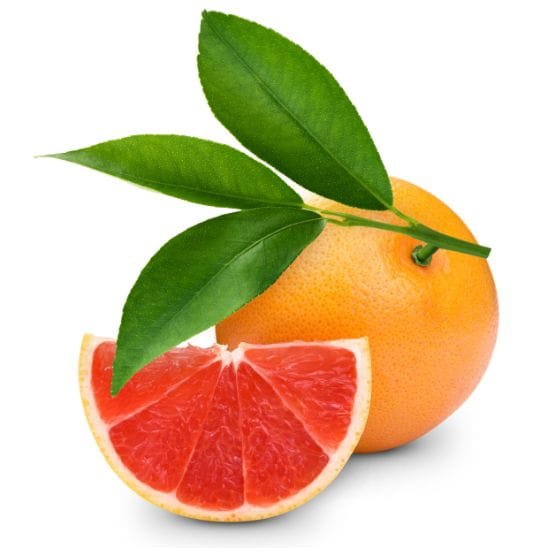
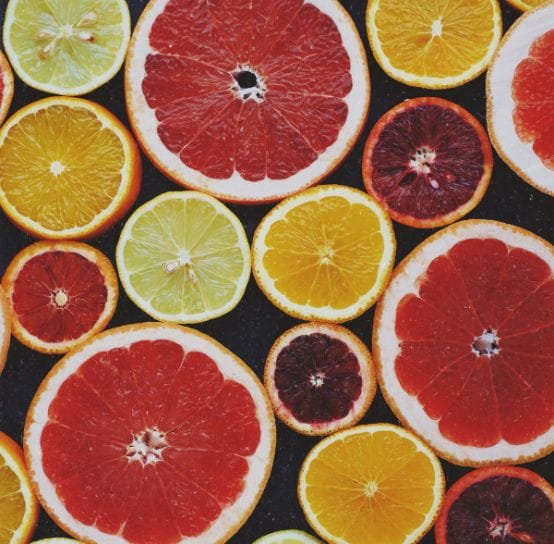
7. Grapefruit
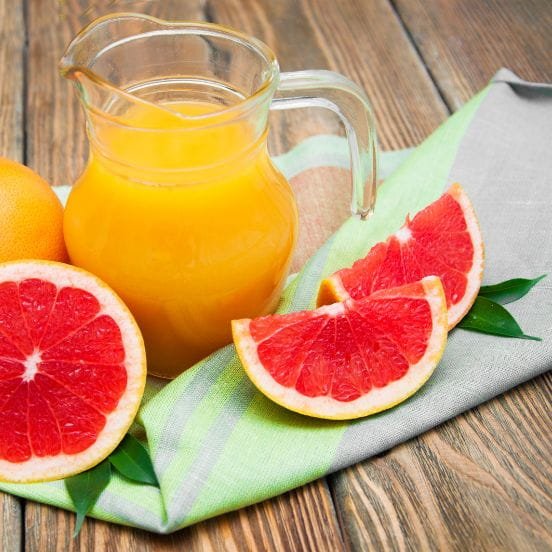
Grapefruit offers a distinctive mix of sweetness, tartness, and gentle bitterness. Its juicy segments can make breakfast feel fresh and flavorful, while small pieces work beautifully in fruit salads.
Why you’ll love it: Grapefruit supplies vitamin C and water, along with fiber when eaten whole.
A useful precaution: Grapefruit can interact with certain medicines. If you take prescription medication, ask your healthcare professional or pharmacist whether it is suitable for you.
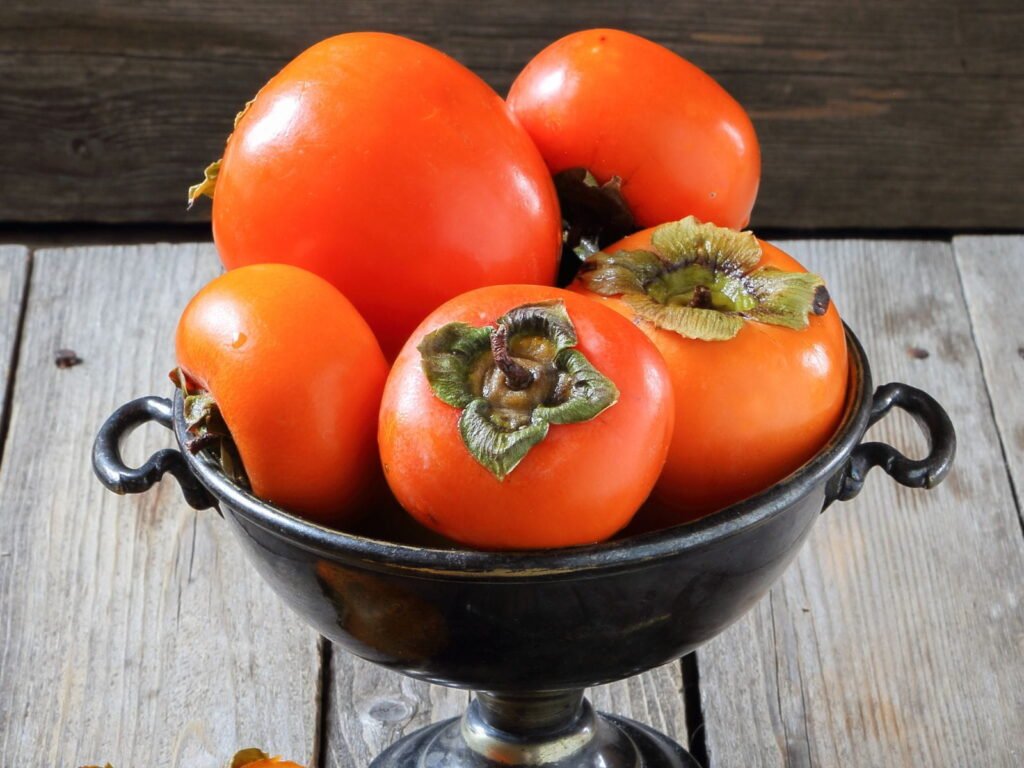
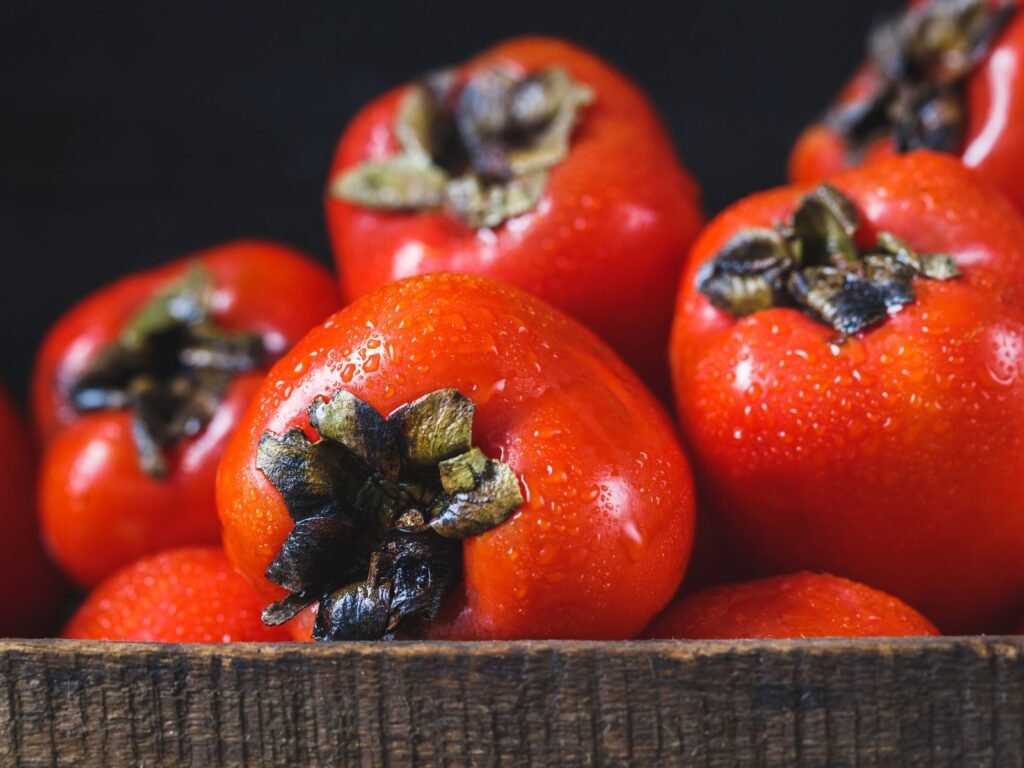
8. Persimmons
Persimmons stand out with their bright orange skin and honey-like sweetness when ripe. Fuyu persimmons can be eaten while firm, while Hachiya persimmons need to become very soft before eating to avoid their unpleasant astringent taste.
Why you’ll love them: Persimmons provide dietary fiber and carotenoids, plant pigments associated with their orange color. They are particularly associated with autumn and early winter in many regions.
9. Cranberries
Cranberries are small, bright-red fruits with a bold, tart flavor. They are especially popular in seasonal sauces, baked goods, and holiday dishes.
Why you’ll love them: Cranberries contain vitamin C and beneficial plant compounds. Their natural tartness makes them ideal for pairing with apples, oranges, and other sweeter ingredients.
10. Bananas
Bananas may not be limited to winter, but their convenience makes them a useful choice throughout the colder months. Their creamy texture and natural sweetness work well in oatmeal, smoothies, pancakes, and quick snacks.
Why you’ll love them: Bananas provide potassium, vitamin B6, and carbohydrates that the body uses for energy. They are also easy to combine with other fruits for a more varied snack.
What Fruit Is in Season Right Now?
The answer depends on the time of year and where you live. In many regions, apples, pears, grapes, pomegranates, and persimmons are associated with autumn and early winter. As winter progresses, oranges, mandarins, grapefruit, and other citrus fruits become popular choices.
Bananas and some other fruits are commonly available throughout the year. Imported produce and cold storage can also extend the availability of fruits beyond their local harvest seasons.
A simple tip: Visit your local farmers’ market or produce section and look for fruits that are plentiful, fresh, and reasonably priced. Seasonal availability varies by region, so local options may differ.
Why Include Winter Fruits in Your Diet?
Winter fruits offer more than flavor and color. They help make a balanced diet varied, convenient, and enjoyable.
- Everyday nutrition: Citrus fruits and kiwi provide vitamin C, while other fruits supply a range of vitamins and minerals.
- Digestive health: Apples, pears, and other whole fruits contribute dietary fiber.
- Hydration: The water naturally present in fruit contributes to daily fluid intake.
- Plant compounds: Colorful fruits such as pomegranates and cranberries contain beneficial compounds that add variety to your diet.
- Easy, delicious snacks: Fresh fruit can satisfy a sweet craving while providing useful nutrients.
Try mixing different fruits rather than relying on just one variety. A colorful fruit bowl is an easy way to bring several flavors and textures together.
Frequently Asked Questions
Which fruit is best in winter?
There is no single best fruit for everyone. Oranges and kiwi are good sources of vitamin C, while apples and pears provide dietary fiber. Eating a variety of fruits helps you obtain different nutrients as part of a balanced diet.
What fruit grows best in winter?
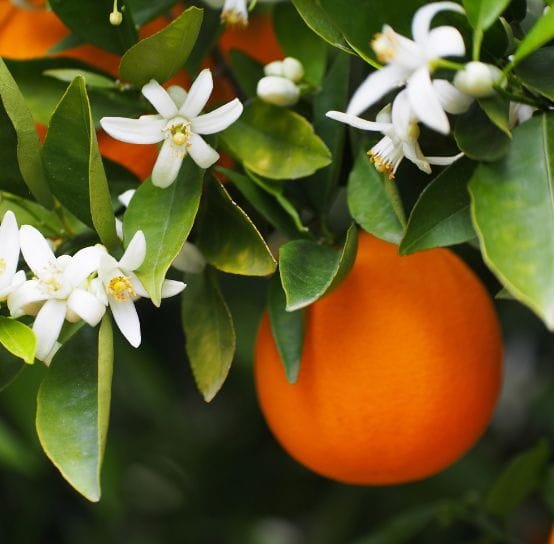
Citrus fruits, including oranges and mandarins, grow well during cooler months in suitable climates. The best choice depends on local temperatures, soil, and growing conditions.
Are winter fruits available all year?
Some fruits, such as apples and pears, remain available for extended periods because they store well. Others may be available outside their harvest season through imports or cold storage.
Final Thoughts
Winter is an excellent opportunity to enjoy fruits with different flavors, textures, and nutritional benefits. Whether you prefer crisp apples, juicy oranges, sweet pears, or tangy pomegranates, there are plenty of ways to make fresh fruit part of your daily routine. Choose the varieties you enjoy, explore what’s available locally, and let seasonal fruit bring a little extra color to your winter days.